THE BRICS STORY AND NEW FRONTIERS IN SPORTS
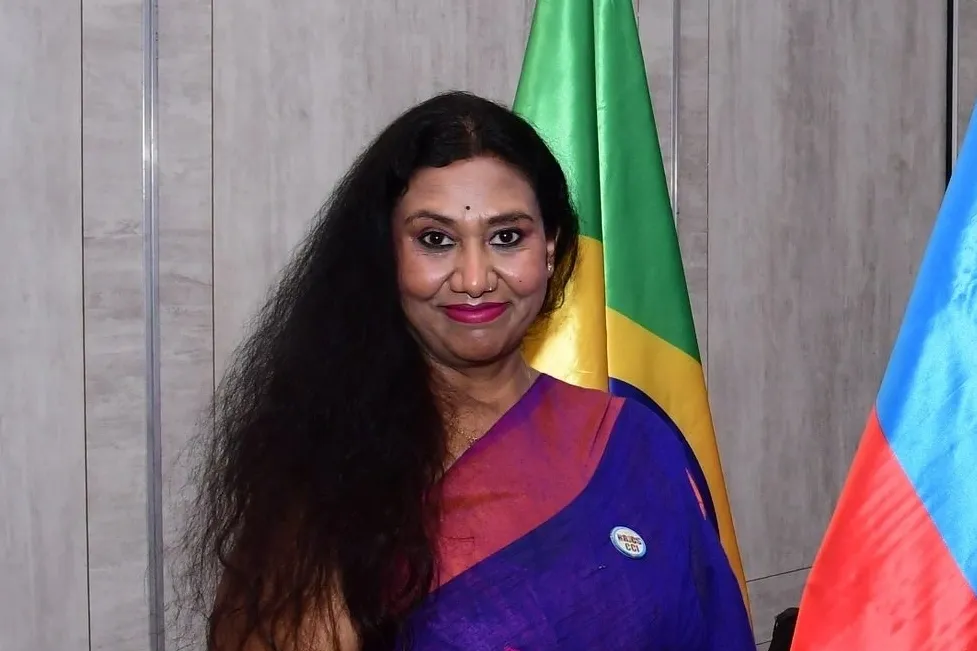
Ms. Shormishtha Ghosh
MD, InTandem Global Consulting Pvt. Ltd.
BRICS, an acronym for Brazil, Russia, India, China, and South Africa, was established in 2009 as a strategic alliance of major emerging economies. Originally formed to enhance economic collaboration and advocate for the interests of developing nations, The group’s formation marked a pivotal shift in international relations, emphasizing the importance of multipolarity and the contributions of emerging economies to global stability and growth. Over time, BRICS has expanded its focus beyond economics to include a broader range of cooperative efforts, including cultural and sporting exchanges. Recently, the alliance has welcomed Egypt, Ethiopia, Iran, and Saudi Arabia as new members, further broadening its scope and influence. This expansion reflects BRICS’s commitment to adapting to the evolving global landscape and embracing diverse perspectives.
HISTORICAL OLYMPIC PERFORMANCE OF BRICS NATIONS
The BRICS nations have demonstrated remarkable performances in the Olympics over the years, each contributing uniquely to the global sporting landscape.
Brazil’s Olympic journey has been characterized by strong performances, particularly in team sports and athletics. In London 2012, Brazil won 17 medals, including 3 golds, excelling in sports like volleyball and judo. Hosting the Rio 2016 Olympics marked a high point for Brazil, where the nation won 19 medals, 7 of which were gold, showcasing its strength in sports like football, volleyball, and boxing. In Tokyo 2020, Brazil secured 21 medals, with 7 golds, continuing its tradition of excellence in team sports.
The Paris 2024 Olympics saw Brazil winning 17 medals, including 4 golds, with standout performances in athletics and football. Brazil’s investment in sports development has paid off, particularly in the areas of volleyball, football, and martial arts.
Russia has consistently been a powerhouse in the Olympics, though its participation has faced challenges due to current geopolitical issues. In London 2012, Russia finished fourth with 68 medals, including 20 golds. The Rio 2016 Olympics saw Russia winning 56 medals, 19 of them gold, despite the controversies surrounding their participation. Due to sanctions, Russian athletes competed under the “Olympic Athletes from Russia” banner in Tokyo 2020, winning 71 medals, including 20 golds. At the Paris 2024 Olympics, Russian athletes competed as “Allied Independent Athletes,” securing a total of 59 medals, with 21 golds. Despite the hurdles, Russia’s athletes have continued to excel in sports like gymnastics, wrestling, and athletics.
India’s performance in the last four Summer Olympics has seen a remarkable evolution, reflecting the nation’s growing prowess across various sports. At the London 2012 Olympics, India secured six medals, including two silvers and four bronzes, with standout performances from athletes like Sushil Kumar in wrestling and Saina Nehwal in badminton. The Rio 2016 Olympics, though less fruitful in terms of medal count, saw India winning two medals: a silver by P.V. Sindhu in badminton and a bronze by Sakshi Malik in wrestling. Notably, gymnast Dipa Karmakar narrowly missed a medal, finishing fourth in the women’s vault final. The Tokyo 2020 Olympics, held in 2021 due to the COVID-19 pandemic, marked a significant milestone for India, with a total of seven medals, including the country’s first-ever gold in athletics won by Neeraj Chopra in javelin throw. India also celebrated two silvers and four bronzes, with the men’s hockey team ending a 41-year medal drought by winning bronze. The Paris 2024 Olympics further solidified India’s standing, with the country achieving its best-ever medal haul of 10, including two golds, three silvers, and live bronzes. Neeraj Chopra once again struck gold in javelin throw, and the Indian men’s archery team also topped the podium. This consistent upward trajectory highlights India’s growing impact on the global sporting stage.
China has emerged as a dominant force in the Olympics, consistently ranking among the top nations in terms of medal tally. In recent years, their performance has been particularly noteworthy. At the London 2012 Olympics, China won 91 medals, including 38 golds, finishing second overall, The Rio 2016 Olympics saw China claiming 70 medals, with 26 golds, again finishing second. in Tokyo 2020, China secured 88 medals, 38 of which were gold, and in Paris 2024, they matched the U.S. with 40 golds out of a total of 91 medals, finishing second overall. China’s dominance has been evident across a wide range of sports, including gymnastics, diving, and weightlifting.
South Africa has shown steady improvement in its Olympic performances, with a particular focus on athletics and swimming. At the London 2012 Olympics, South Africa won 6 medals, including 3 golds, with notable achievements in swimming by Chad le Clos. In Rio 2016, the country secured 10 medals, 2 of them gold. The Tokyo 2020 Olympics saw South Africa winning 3 medals, including 1 gold in athletics. In Paris 2024, South Africa’s athletes delivered a commendable performance, winning 6 medals (1 gold, 3 silver, 2 bronze), with highlights including Tatjana Schoenmaker’s gold in swimming. South Africa’s consistent performances in track and field, swimming, and team sports like rugby have solidified its position in global sports
NEW PARTICIPATION FROM NEWLY ADDED BRICS COUNTRIES
The Paris 2024 Olympics marked a significant milestone with increased participation from the newly added BRICS countries. Each nation showcased its growing sporting prowess: Egypt won 2 medals, including a gold in weightlifting and a bronze in boxing, reflecting its burgeoning strength in these sports. Ethiopia excelled with 4 medals: 2 golds in the marathon events, a silver in the 10,000 meters, and a bronze in the 5,000 meters, continuing its rich tradition in distance running. Iran achieved 2 medals, including a gold in wrestling and a silver in weightlifting, highlighting its competitive spirit and athletic development. United Arab Emirates participated actively but did not secure any medals. Nevertheless, their increased presence was notable and indicative of their growing investment in sports.
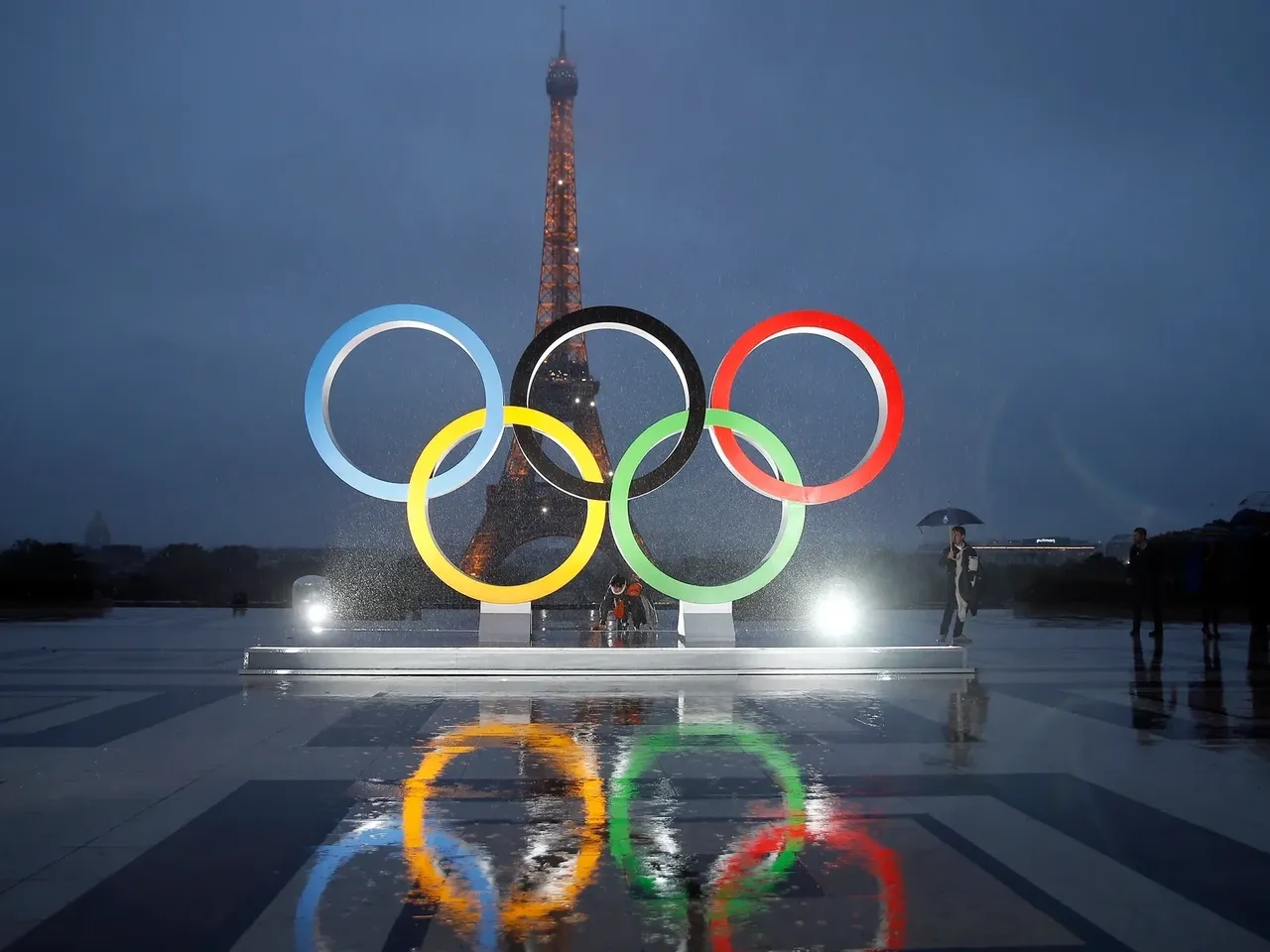
PARIS 2024 OLYMPICS THEME
In Paris, where ancient streets met modern dreams, the BRICS nations stepped onto a stage that was as much about symbolism as sport. From the precision of archery to the power of wrestling, their efforts reflected struggles and small victories. Though the medal count fell short, each performance echoed their commitment to the Sustainable Development Goals (SDGs) and to making a meaningful impact on the world stage.”
Olympics embraced the theme of unity and innovation, celebrating the intersection of history and modernity. The Games showcased how sports can bridge cultures and foster global connections, reflecting the Olympic spirit of bringing nations together through athletic excellence.
CONNECTING TO THE SDGS THE ROLE OF SPORT IN GLOBAL
DEVELOPMENT
The 2024 Paris Olympics also served as a platform to reflect on the role of sports in advancing the Sustainable Development Goals (SDGs). The International Olympic Committee’s ‘Olympism 365’ strategy emphasizes the role of sport as an enabler for the SDGs, aiming to connect people with Olympic values and contribute to global development goals. BRICS nations, through their Olympic performances, demonstrate their alignment with SDGs such as promoting health and well-being, gender equality, and sustainable economic growth.
As the world celebrates the achievements of these nations, the Olympics provide a powerful reminder of the interconnectedness of sports, global development, and international cooperation. The performances of BRICS nations in Paris not only highlight their athletic talents but also their contributions to broader global goals, reflecting a shared commitment to fostering positive change through sport. In conclusion, the 2024 Paris Olympics have showcased the diverse strengths and challenges of BRICS nations, offering a rich narrative of athletic excellence and global impact. As these nations continue to navigate their roles on the global stage, their Olympic journeys provide valuable insights into their progress and potential in shaping. As the world celebrates the achievements of these nations, the Olympics provide a powerful reminder of the interconnectedness of sports, global development, and international cooperation. The performances of BRICS nations in Paris not only highlight their athletic talents but also their contributions to broader global goals, reflecting a shared commitment to fostering positive change through sport.
In conclusion, the 2024 Paris Olympics have showcased the diverse strengths and challenges of BRICS nations, offering a rich narrative of athletic excellence and global impact. As these nations continue to navigate their roles on the global stage, their Olympic journeys provide valuable insights into their progress and potential in shaping.
SPECIAL NOTE- AN ODE TO RESILIENT – KAZAN 2024
Russia faced significant challenges leading up to the Paris 2024 Olympics due to ongoing geopolitical tensions and sanctions. Consequently, Russian athletes were unable to compete under their national flag and participated as “Allied Independent Athletes.” Prior to the Olympics, Russia held its own alternative games, demonstrating the resilience and determination of its athletes despite the restrictions. The inclusion of new member countries and the commitment to hosting international sporting events, such as the BRICS Sports Games 2024 in Kazan, highlight the group’s dedication to promoting global sports cooperation and celebrating athletic excellence. Held in Kazan, Russia, prior to the Paris Olympics, the BRICS Sports Games 2024 served as a major platform for BRICS nations to demonstrate their athletic talents and strengthen sporting ties among member countries. The Games showcased the collective prowess and emerging sports capabilities of the BRICS nations, laying a solid foundation for future international sporting events. We shall we see the emergence of the block together for global sporting excellence in the coming years? Will traditioned games and sports of the vast BRICS nations, also become main stream with such initiatives? The inclusion of new member countries and the ongoing commitment to fostering international sporting events like the BRICS Sports Games 2024 in Kazan underscores the group’s dedication to enhancing global sports cooperation and celebrating athletic excellence. Time will tell how it shapes up but for now, the theme for, Paris Olympics “Game for all” looks to be the cornerstone, a profound commitment to inclusivity, innovation and sustainability.