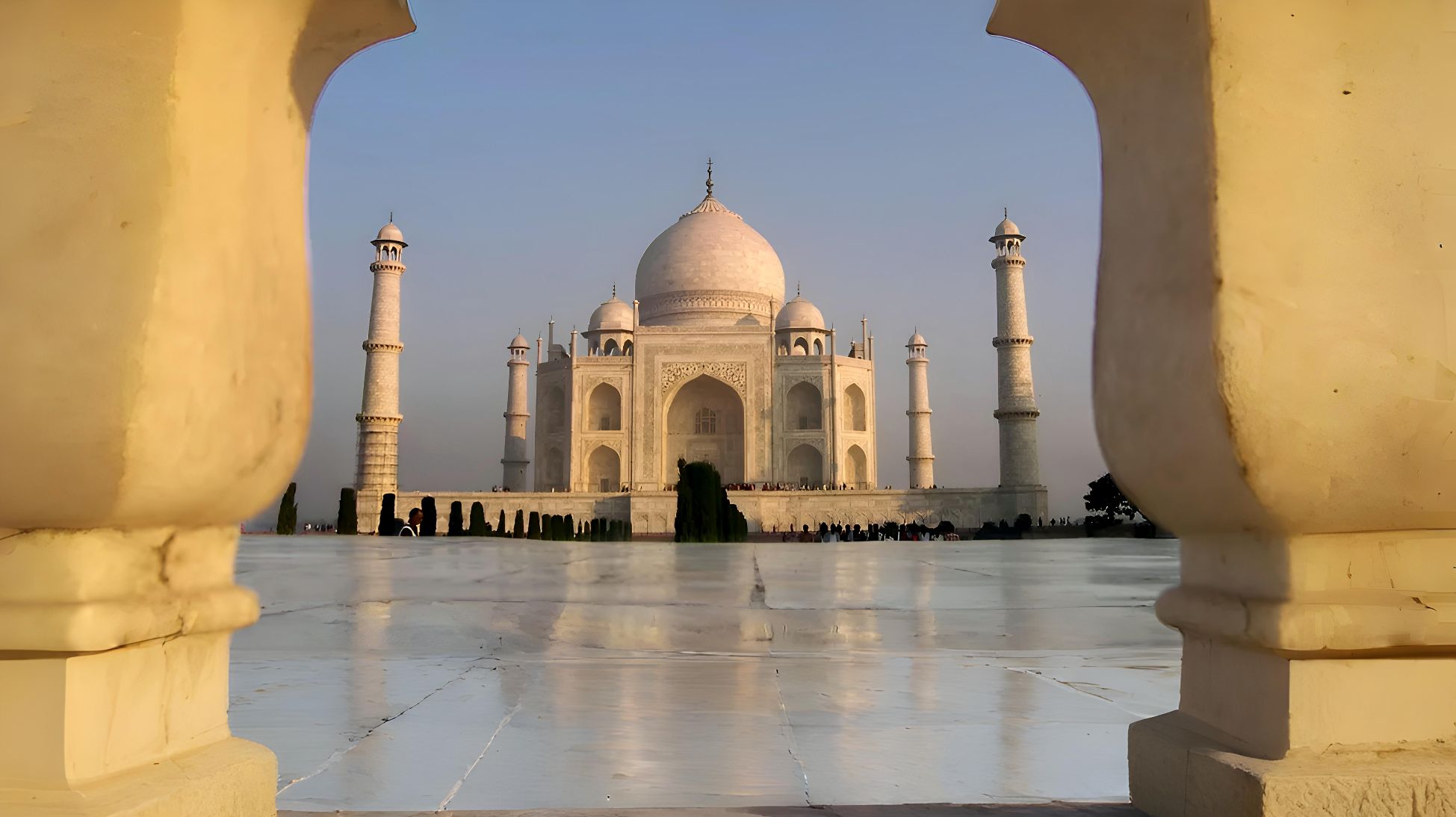
India is one of the fastest-growing large economies globally, with a nominal GDP of
approximately USD 3.7 trillion (2023) and a population exceeding 1.4 billion. The country has
a GDP per capita of around USD 2,600, and the national currency is the Indian Rupee (INR).
India benefits from a strong domestic market, a young demographic profile, and expanding
digital infrastructure.
The services sector, contributing over 55% of GDP, remains the primary growth engine, led by
information technology, financial services, telecommunications, healthcare, education,
and professional services. The industrial sector, accounting for nearly 27% of GDP,
includes automobiles, electronics, steel, cement, textiles, pharmaceuticals, and renewable
energy manufacturing, supported by policy initiatives such as Make in India, PLI schemes,
and National Infrastructure Pipeline. Agriculture contributes around 18% of GDP and
continues to employ a large share of the workforce.
India’s total exports in 2023 reached approximately USD 770 billion (goods and services
combined), while imports stood at around USD 890 billion, reflecting strong consumption and
investment demand. Major trading partners include the United States, China, UAE, European
Union, and ASEAN countries. India is also a leading recipient of foreign direct investment,
particularly in manufacturing, technology, and infrastructure.
India is making significant investments in digital public infrastructure, renewable energy
(targeting 500 GW by 2030), logistics modernization, and startup ecosystems, with over
100 unicorns. Within BRICS, India plays a central role in digital governance, inclusive
development models, South-South cooperation, and supply chain diversification,
positioning itself as a long-term growth anchor for the grouping.
India is one of the fastest-growing large economies globally, with a nominal GDP of
approximately USD 3.7 trillion (2023) and a population exceeding 1.4 billion. The country has
a GDP per capita of around USD 2,600, and the national currency is the Indian Rupee (INR).
India benefits from a strong domestic market, a young demographic profile, and expanding
digital infrastructure.
The services sector, contributing over 55% of GDP, remains the primary growth engine, led by
information technology, financial services, telecommunications, healthcare, education,
and professional services. The industrial sector, accounting for nearly 27% of GDP,
includes automobiles, electronics, steel, cement, textiles, pharmaceuticals, and renewable
energy manufacturing, supported by policy initiatives such as Make in India, PLI schemes,
and National Infrastructure Pipeline. Agriculture contributes around 18% of GDP and
continues to employ a large share of the workforce.
India’s total exports in 2023 reached approximately USD 770 billion (goods and services
combined), while imports stood at around USD 890 billion, reflecting strong consumption and
investment demand. Major trading partners include the United States, China, UAE, European
Union, and ASEAN countries. India is also a leading recipient of foreign direct investment,
particularly in manufacturing, technology, and infrastructure.
India is making significant investments in digital public infrastructure, renewable energy
(targeting 500 GW by 2030), logistics modernization, and startup ecosystems, with over
100 unicorns. Within BRICS, India plays a central role in digital governance, inclusive
development models, South-South cooperation, and supply chain diversification,
positioning itself as a long-term growth anchor for the grouping.
India is one of the fastest-growing large economies globally, with a nominal GDP of
approximately USD 3.7 trillion (2023) and a population exceeding 1.4 billion. The country has
a GDP per capita of around USD 2,600, and the national currency is the Indian Rupee (INR).
India benefits from a strong domestic market, a young demographic profile, and expanding
digital infrastructure.
The services sector, contributing over 55% of GDP, remains the primary growth engine, led by
information technology, financial services, telecommunications, healthcare, education,
and professional services. The industrial sector, accounting for nearly 27% of GDP,
includes automobiles, electronics, steel, cement, textiles, pharmaceuticals, and renewable
energy manufacturing, supported by policy initiatives such as Make in India, PLI schemes,
and National Infrastructure Pipeline. Agriculture contributes around 18% of GDP and
continues to employ a large share of the workforce.
India’s total exports in 2023 reached approximately USD 770 billion (goods and services
combined), while imports stood at around USD 890 billion, reflecting strong consumption and
investment demand. Major trading partners include the United States, China, UAE, European
Union, and ASEAN countries. India is also a leading recipient of foreign direct investment,
particularly in manufacturing, technology, and infrastructure.
India is making significant investments in digital public infrastructure, renewable energy
(targeting 500 GW by 2030), logistics modernization, and startup ecosystems, with over
100 unicorns. Within BRICS, India plays a central role in digital governance, inclusive
development models, South-South cooperation, and supply chain diversification,
positioning itself as a long-term growth anchor for the grouping.
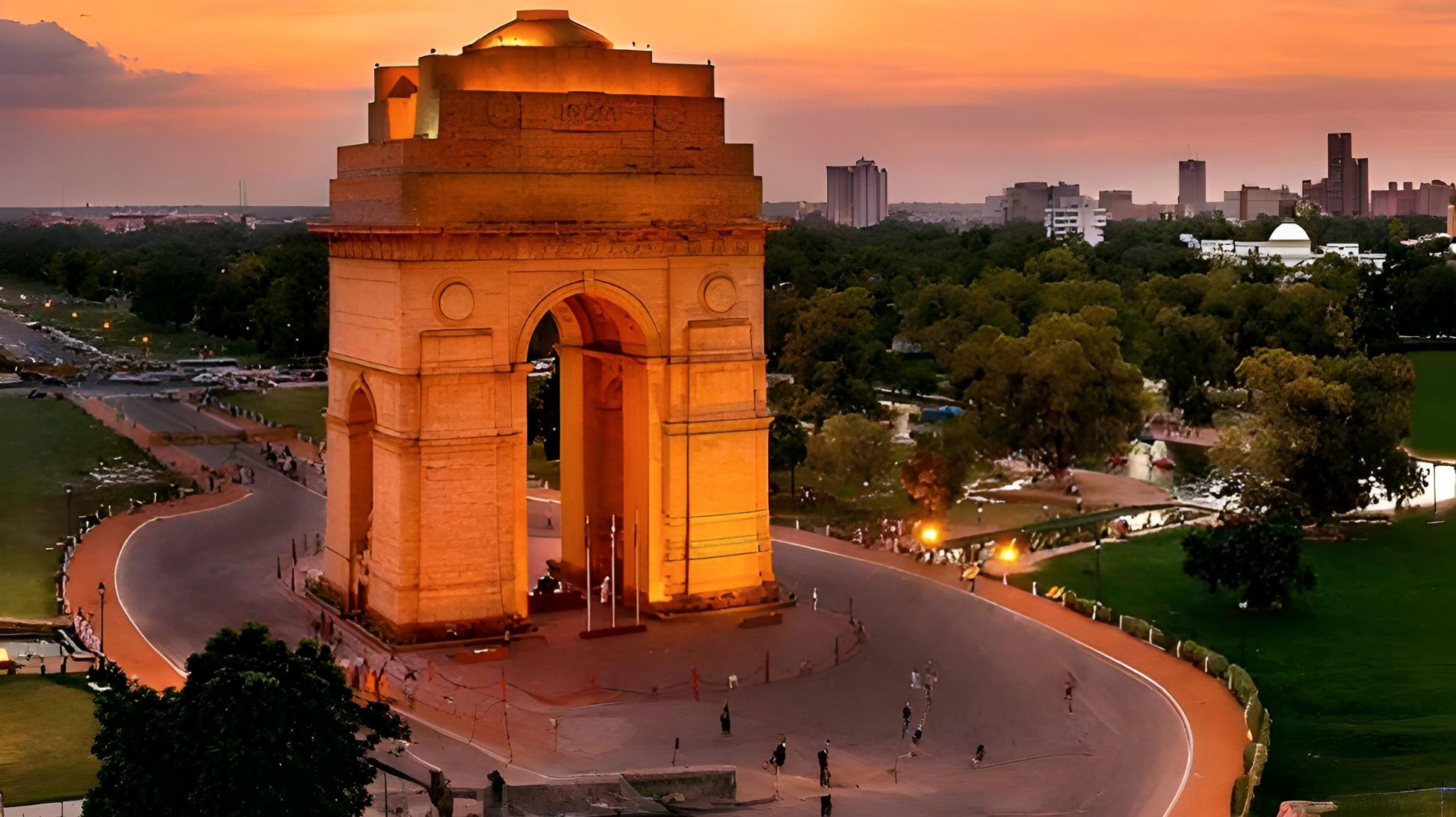
It is a constitutional republic consisting of 28 states, each with a substantial degree of control over its own affairs; 8 less fully style empowered union territories; and the Delhi national capital territory, which includes New Delhi, India’s capital. With 17.7% of the world’s total population, India is the second most-populous country, after China. Contemporary India’s increasing physical prosperity and cultural dynamism—despite continued domestic challenges and economic inequality—are seen in its well-developed infrastructure and a highly diversified industrial base, in its pool of scientific and engineering personnel (one of the largest in the world), in the pace of its agricultural expansion, and in its rich and vibrant cultural exports of music, literature, and cinema.